The first time I walked the Caminito del Rey, it looked very different from the attraction visitors experience today.
There were no online bookings, visitor reception centres or organised tourist groups. Instead, there was a crumbling concrete walkway hanging precariously from the walls of the Gaitanes Gorge. In places, sections had disappeared completely, leaving only rusty steel beams suspended above the void.
Looking back, it was probably more frightening than I cared to admit at the time.
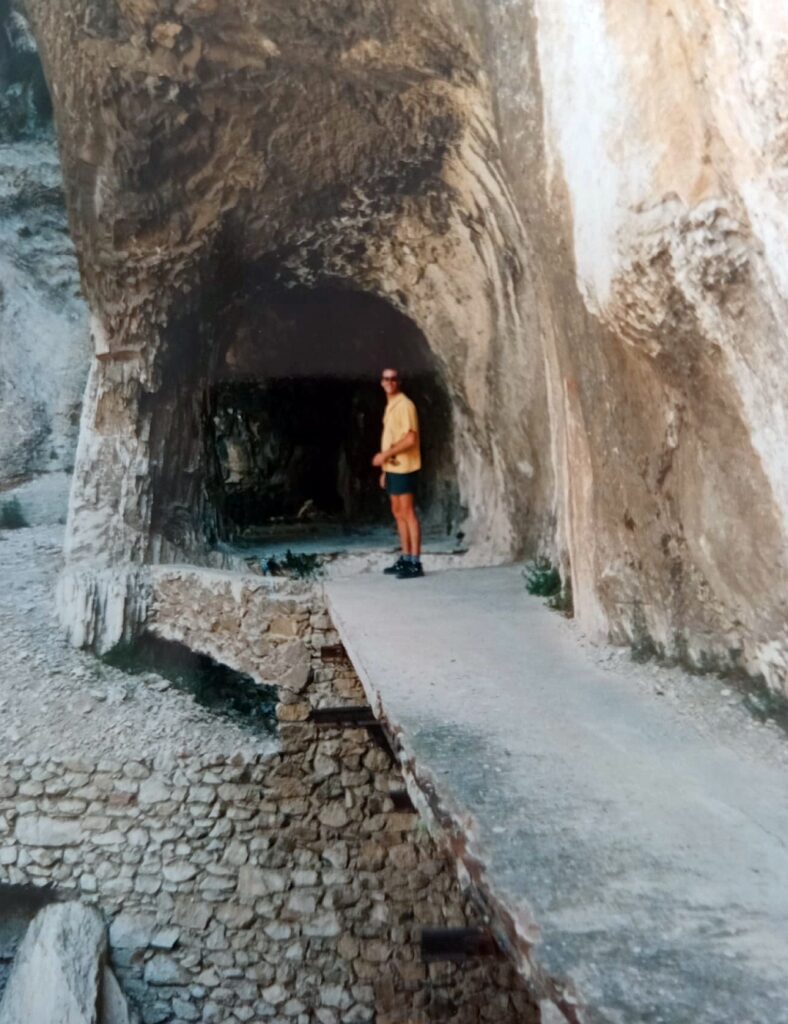
Living not far from El Chorro, I’ve visited the area many times over the years and watched one of Andalucía’s most remarkable transformations unfold. What was once known as the world’s most dangerous walkway has become one of Spain’s greatest tourism success stories, attracting visitors from across the globe while preserving an important piece of Málaga’s industrial heritage.
But the story of the Caminito del Rey began long before tourists arrived with cameras and hiking boots.
Born From Málaga’s Industrial Revolution
Many visitors are surprised to learn that the Caminito was never built as a tourist attraction.

At the end of the nineteenth century, Málaga was one of Spain’s most industrialised cities. As industry expanded, demand for energy increased rapidly. Engineers working in the dramatic Gaitanes Gorge recognised the hydroelectric potential of the Guadalhorce River and began developing the infrastructure needed to harness it.
The walkway was constructed between 1901 and 1905 as a practical route for workers maintaining canals, pipelines and hydroelectric facilities between Gaitanejo and El Chorro.
Building it was an astonishing achievement.
According to local accounts, many of the workers were experienced maritime labourers accustomed to ropes, heights and dangerous conditions. Suspended from the cliffs on bundles of straw, they drilled into the rock face and installed the steel supports that would carry the narrow pathway.
Even today, when I stand on the modern walkway and look at the sheer walls surrounding the gorge, it is difficult to imagine how they accomplished such a task more than a century ago.
Before It Was the King’s Path
Long before it became known as the Caminito del Rey, local people called it los balconcillos — the little balconies.
The nickname made perfect sense. The narrow platforms appeared to cling to the vertical cliffs like tiny balconies overlooking the river far below.

The name changed in 1921 when King Alfonso XIII visited the area to inaugurate the Conde del Guadalhorce Dam. After walking part of the route, the pathway became forever associated with the monarch and acquired the name we know today.
A Lifeline for Local Families
One of the aspects of the Caminito’s history that fascinates me most is how important it was to everyday life.
For local families, this wasn’t an adventure attraction. It was simply the quickest way to get from one place to another.
Children crossed the gorge on their way to school. Workers used the path to reach jobs in El Chorro. Residents carried water and supplies along the narrow ledges because there was often no practical alternative.
Today, visitors stop to take photographs and admire the scenery. A century ago, local people crossed these same cliffs because they had to.
That contrast is one of the reasons the Caminito remains such a special place.
When the Caminito Became Famous for All the Wrong Reasons
By the late twentieth century, the path had fallen into serious disrepair.
Concrete sections collapsed. Safety rails disappeared. Entire stretches of the walkway were reduced to little more than exposed steel beams.
Videos began appearing online showing thrill-seekers crossing the remains of the route. The footage attracted international attention and earned the Caminito a reputation as the world’s most dangerous walkway.
Before it became a safe, scenic walkway visited by thousands each year, the Caminito del Rey was known as the most dangerous path in the world. This video, filmed by the late adventurer Daniel Ahnen in the late 2000s, captures the raw, vertigo-inducing state of the route as it clung to the cliffs of El Chorro.
Read about the author of this video and find out what happened to him just a few years later.
I still remember conversations with people who had attempted the crossing during those years. Even among experienced hikers, the route commanded enormous respect.
Several fatal accidents eventually led to the closure of the path.
For a time, many people assumed that would be the end of the Caminito del Rey.
The Restoration That Changed Everything
When restoration plans were announced, there was enormous interest throughout the province.
The challenge facing engineers was extraordinary.
The gorge is steep, narrow and difficult to access. Traditional construction methods simply weren’t practical.

Instead, helicopters transported hundreds of tonnes of steel and timber into the canyon. Specialist climbers, mountaineers and caving experts worked suspended from ropes while assembling the new structure.
Modern technology played a major role. Engineers used drones and laser scanning equipment to create precise three-dimensional models of the gorge before construction began.
One decision proved particularly important.
Rather than removing the original pathway, the new walkway was built above it. As a result, visitors can still see large sections of the historic structure and appreciate the ingenuity of the original builders.

In my view, that decision preserved much of the Caminito’s character and the restoration made the route safe without erasing its history.
Walking Through an Ancient Landscape
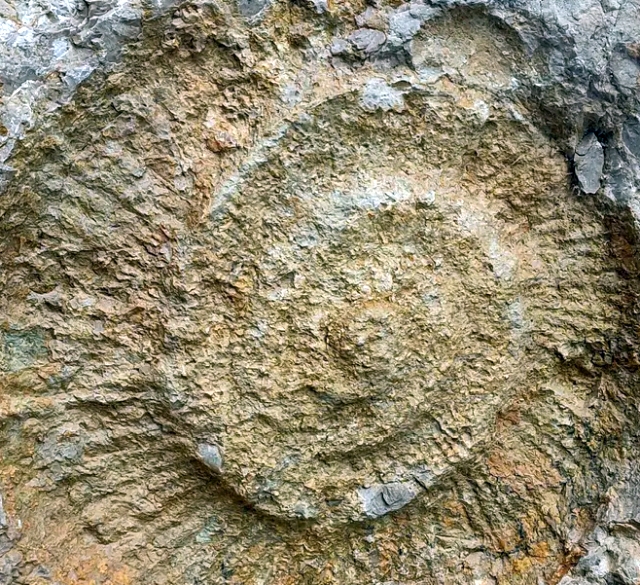
While most people focus on the walkway itself, the geology of the Gaitanes Gorge is equally impressive as millions of years ago, this entire area lay beneath the sea.
Visitors can still spot ammonite fossils embedded in the rock, reminders of a time when marine creatures swam where hikers now walk.
Over millions of years, tectonic forces lifted and twisted the seabed, creating the dramatic cliffs that define the landscape today.
The result is a place where geology, engineering and history combine in a way that is difficult to find elsewhere in Spain.
Hollywood Discovered El Chorro Long Ago
The area’s beauty did not go unnoticed by filmmakers.
Long before social media turned the Caminito into a global attraction, film crews were using the gorge as a dramatic backdrop.
Productions such as Von Ryan’s Express and Scent of Mystery were filmed here, while stars including Brigitte Bardot, Omar Sharif and Raquel Welch spent time in the area.
Local residents still enjoy sharing stories about those productions and the excitement they brought to what was then a very different El Chorro.
The Success Story Nobody Could Have Predicted
When the restored Caminito reopened in 2015, everyone hoped it would attract visitors and few people expected quite how successful it would become.
Over the past decade, the Caminito has transformed the local economy. New accommodation providers, restaurants, activity companies and tourism services have emerged throughout the surrounding area. Villages such as Ardales, Álora and Valle de Abdalajís have all benefited from the steady stream of visitors arriving throughout the year.
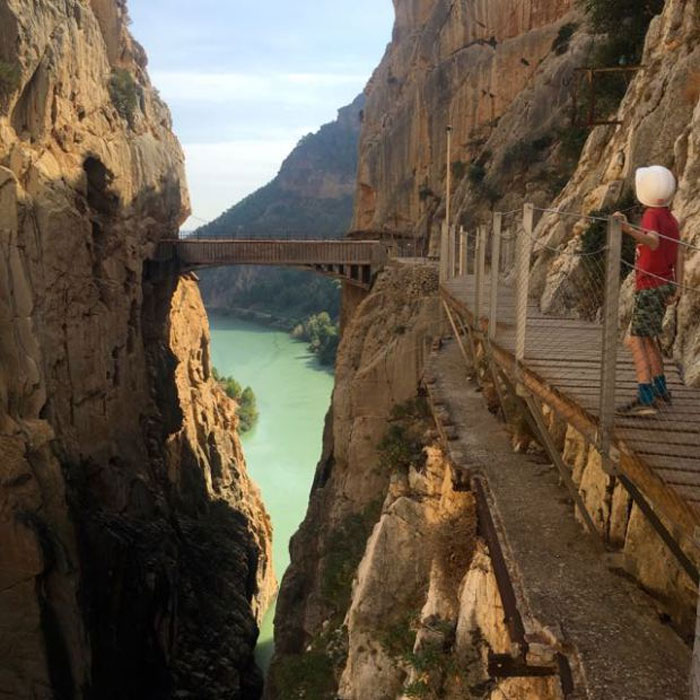
The attraction has created jobs, encouraged investment and helped introduce international visitors to an area that many would otherwise never have discovered.
What began as an ambitious restoration project has become one of Andalucía’s most successful examples of sustainable tourism.
The Caminito Del Rey in 2026
More than ten years after its reopening, the Caminito continues to evolve.
New infrastructure and visitor improvements are being added, including the impressive suspension bridge opening in 2026. Yet despite these developments, the experience remains remarkably faithful to the spirit of the original route.
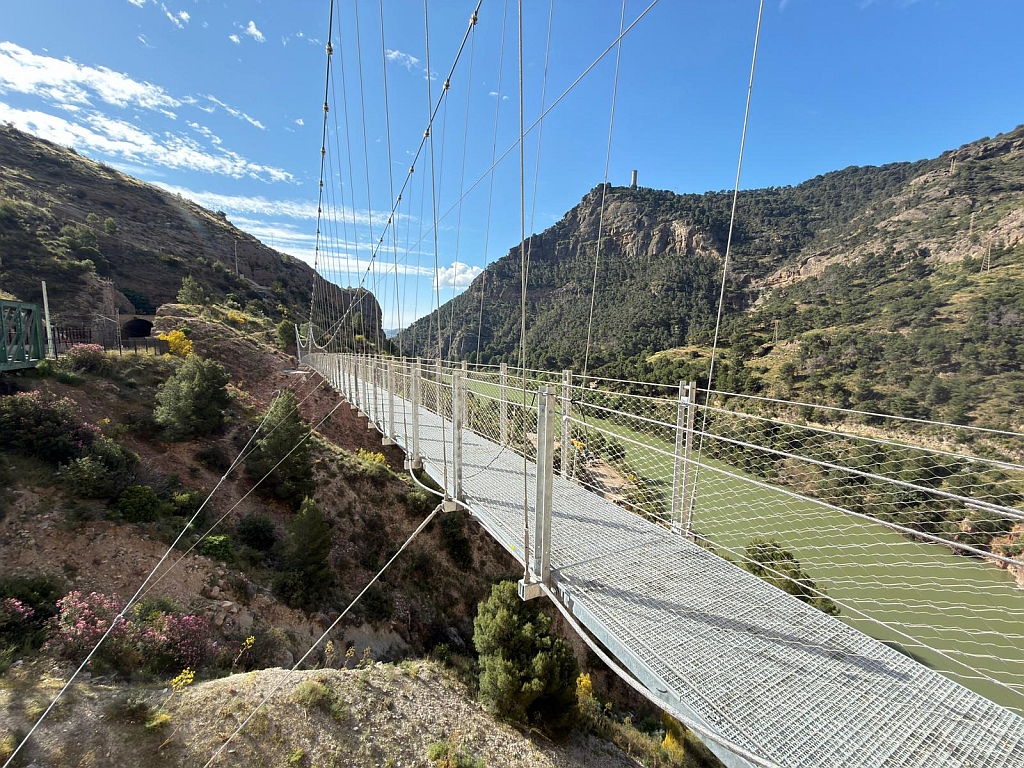
Every time I return, I am reminded how unusual this place really is.
It is part industrial monument, part geological wonder and part local legend.
Most importantly, it is proof that preservation and tourism can work hand in hand.
Final Thoughts
Having experienced the Caminito both before and after its restoration, I can honestly say that its success has exceeded almost everyone’s expectations.
The old route was unforgettable, but it was also dangerous and ultimately unsustainable.
The modern Caminito preserves the thrill, the scenery and the history while making the experience accessible to visitors from around the world.
More than a century after workers first suspended themselves from the cliffs to build it, El Caminito del Rey continues to capture the imagination of everyone who walks it.
And every time I visit, I discover another reason why.
El Caminito del Rey FAQs: History, Safety and What Most Visitors Don’t Know
Many visitors assume the Caminito del Rey was created for tourism, but its origins were entirely industrial. Built between 1901 and 1905, the walkway allowed workers to maintain hydroelectric canals and power infrastructure linked to the growing industries of Málaga. It also became an essential route for local residents travelling between isolated communities. The fascinating industrial history behind the path is often overlooked by visitors focused solely on the views.
The reputation was well earned. By the late 1990s, decades of neglect had left large sections of the original walkway collapsed or missing altogether. In some places, only steel support beams remained suspended hundreds of feet above the river below. Several fatal accidents occurred before the route was permanently closed. Having seen parts of the old structure myself, it is easy to understand why it gained worldwide notoriety long before its restoration.
Yes, and that is one of the most impressive aspects of the modern experience. Rather than removing the historic structure, engineers built much of the new pathway above it. As you walk through the gorge, remnants of the original concrete path can still be spotted clinging to the rock face below. It provides a remarkable glimpse into the engineering methods used more than a century ago and helps visitors appreciate just how challenging the original construction was.
The reopening in 2015 changed far more than the walkway itself. Villages including Ardales, Álora and Valle de Abdalajís have benefited from increased tourism, new accommodation businesses and year-round visitor spending. Local employment opportunities expanded significantly, particularly in guiding, hospitality and outdoor activities. What began as a heritage conservation project has developed into one of Andalucía’s most successful rural tourism stories.
Absolutely. The dramatic scenery tells a story that stretches back millions of years. Visitors can spot fossilised ammonites embedded within the rock, evidence that the area was once beneath an ancient sea. Over time, powerful geological forces lifted and twisted these seabed sediments into the towering cliffs visible today. Most people arrive for the walkway, yet the geology often becomes one of the highlights of the visit.
Safety is the obvious answer, but the difference runs deeper than that. Before the restoration, only experienced climbers, adventurous hikers and determined locals ventured near the route. Today, the carefully designed walkway allows a much wider audience to experience the gorge without losing the sense of scale and drama that made the location famous. In many ways, the project succeeded because it preserved the spirit of the original path while making it accessible to ordinary visitors.

I’ve been living in this lovely area of Western Andalucia for the last 20 years or so and dedicate most of my time to the running of English language tourist information websites for the towns of Cádiz, Ronda, Grazalema, the famous or infamous Caminito del Rey, and also Wildside Holidays, which promotes sustainable and eco-friendly businesses running wildlife and walking holidays in Spain. My articles contain affiliate links that will help you reserve a hotel, bus, train or activity in the area. You don’t pay more, but by using them you do support this website. Thankyou!